Introduction
Installing a brand-new fence is an investment that enhances both the aesthetic and functional aspects of your residential or commercial property. Whether you have actually selected Timber Paling Fences, Colorbond Fences, and even something more modern like Aluminium Slat Fences, maintaining it appropriately is essential for longevity and look. In this comprehensive guide, we'll look into how to maintain your new fence with professional insights from top Fence Specialists Melbourne
How to Preserve Your New Fence: Tips from Top Melbourne Contractors
Maintaining your new fence is vital, not just for its appearance however also for its structural stability. The best upkeep can avoid pricey repairs down the line. Here's an in-depth breakdown of effective strategies on how to keep your fence in prime condition.
1. Understanding Various Kinds Of Fencing
1.1 Wood Fading Fences
Timber fences are a popular choice due to their natural appearance and adaptability. However, they do need regular maintenance.
- Pros: Visual appeal, customizability. Cons: Susceptible to rot and pests if not maintained.
1.2 Colorbond Fences
Colorbond fencing is made from pre-painted steel, making it long lasting and low-maintenance.
- Pros: Lasting, easy to clean. Cons: Restricted design versatility compared to timber.
1.3 Aluminium Blade Fences
These fences are lightweight yet tough, providing a modern look.
- Pros: Rust-resistant, modern-day design. Cons: Can be pricier than other options.
1.4 Tubular Metal Fences
Ideal for security without sacrificing style.
- Pros: Strong and secure. Cons: Can require painting over time.
2. Regular Cleaning: A Basic Step
Cleaning your fence frequently helps get rid of dirt, mold, and mildew that can lead to deterioration.
2.1 How Frequently Needs To You Clean?
Aim for a minimum of once a year; nevertheless, if you live in a location with heavy rains or humidity, consider cleaning up bi-annually.
2.2 Recommended Cleaning up Methods
Use a pressure washer or a soft cloth with soapy water depending upon the product:
- For lumber fences: Use gentle soap; avoid harsh chemicals. For metal fences: A simple rinse normally is adequate; check for rust spots.
3. Inspecting for Damage
Regular evaluations assist determine small issues before they escalate into considerable problems.
3.1 What Needs to You Look For?
Look for indications of wear such as:
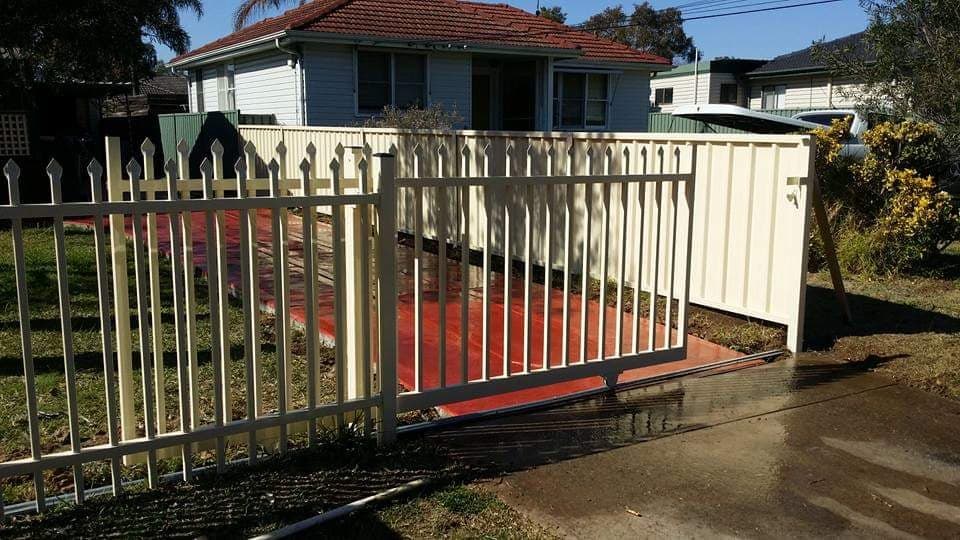
- Rot in wooden posts. Rust on metal panels. Loose screws or fittings.
4. Treating Wood Fences
Wooden fences require extra care due to their vulnerability to wetness and insects.
4.1 Preservatives and Treatments
Apply wood preservatives every number of years to safeguard against rot and bug infestation.
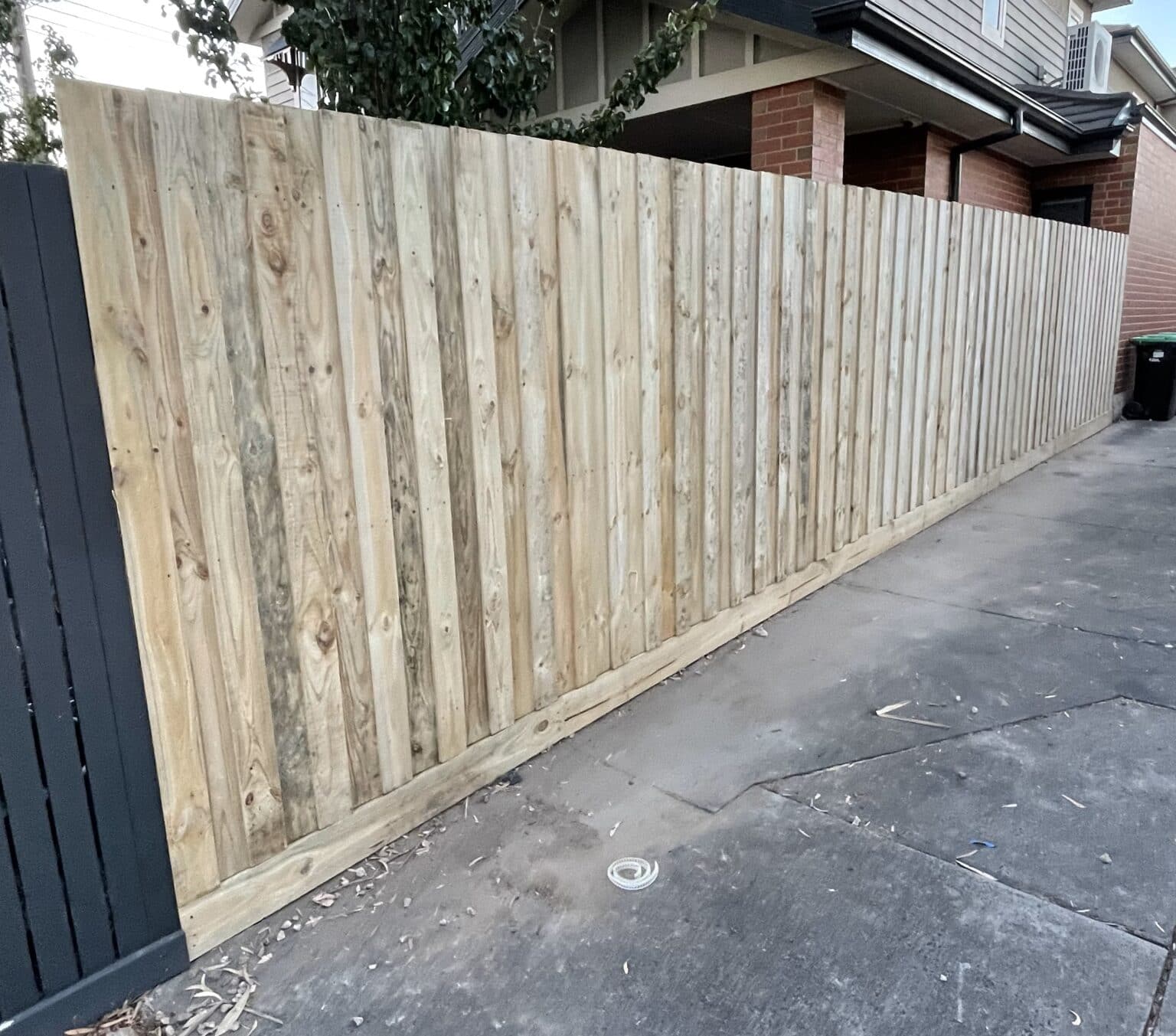
Table: Recommended Wood Treatments
|Treatment Type|Frequency|Advantages|| ---------------------|------------------|-----------------------------------|| Oil-based Discolorations|Every 2 years|Water-resistant|| Sealants|Every 3 years|Secures against UV rays|| Insect Control Sprays|As needed|Avoids termite damage|
5. Repairing Minor Damages Promptly
Address minor damages as quickly as possible to prevent larger issues later on.
5.1 Common Repairs Needed
Common repair work include:
- Replacing damaged boards on lumber fences. Touching up paint on metal fences.
6. Weather Condition Security Strategies
Weather can significantly impact the durability of your fence materials-- here's how you can reduce damage:
6.1 Shielding Against Sun Exposure
Consider utilizing UV protectant sprays specifically developed for fencing products to shield versus sun damage.
6.2 Disintegration Control with Retaining Walls
If your property has slopes, retaining walls can help avoid erosion that may expose the base of your fence over time.
7. Fence Painting Techniques
Painting not only refreshes the look but also includes a protective layer versus weather condition elements.
7.1 Choosing the Right Paint Type
Select premium outside paint ideal for your specific fence material:

- For lumber: Use water-resistant paints. For metal: Choose rust-inhibiting formulations.
8. Considering Automatic Gates
If you're setting up automatic gates alongside your fencing system, appropriate upkeep is key!
8.1 Routine Look at Gate Functionality
Ensure that all moving parts are lubricated regularly and inspect electrical connections if appropriate-- this prevents breakdown when you require it most!
FAQs
Q1: How often must I examine my fence?
A: It's suggested to check your fence a minimum of two times a year or after extreme weather events.
Q2: What's the best method to clean my Colorbond fence?
A: A gentle wash with soapy water followed by washing with tidy water works wonders!
Q3: Do I need licenses for significant repairs?
A: Yes, it's best practice to check local policies concerning any substantial alterations to fencing https://parapetfencing.com.au/ structures.
Q4: Exist any pests that typically affect wood fences?
A: Yes! Termites and carpenter ants are notorious for damaging lumber structures-- routine treatments can help alleviate this risk!
Q5: Can I use bleach on my wooden fence?
A: Avoid bleach as it can remove away natural oils in the wood-- stick to moderate soap services instead!
Q6: How do I understand when it's time to replace my fence?
A: If more than 30% of your fence reveals indications of damage (rot, rust), it's likely time for replacement rather than repair.
Conclusion
Maintaining your brand-new fence doesn't need to be daunting! With routine attention and care tailored particularly for your type of fencing-- whether it's installed by leading Fence Contractors Melbourne or do it yourself-- you can guarantee it remains an appealing asset while serving its purpose effectively over several years to come!
In summary, whether you're dealing with Timber Fading Fences, Colorbond, or even Glass Fences, following these tips from top Melbourne professionals will set you up for success in keeping your investment looking terrific and functioning well! Don't be reluctant-- begin looking after that gorgeous brand-new structure today!